

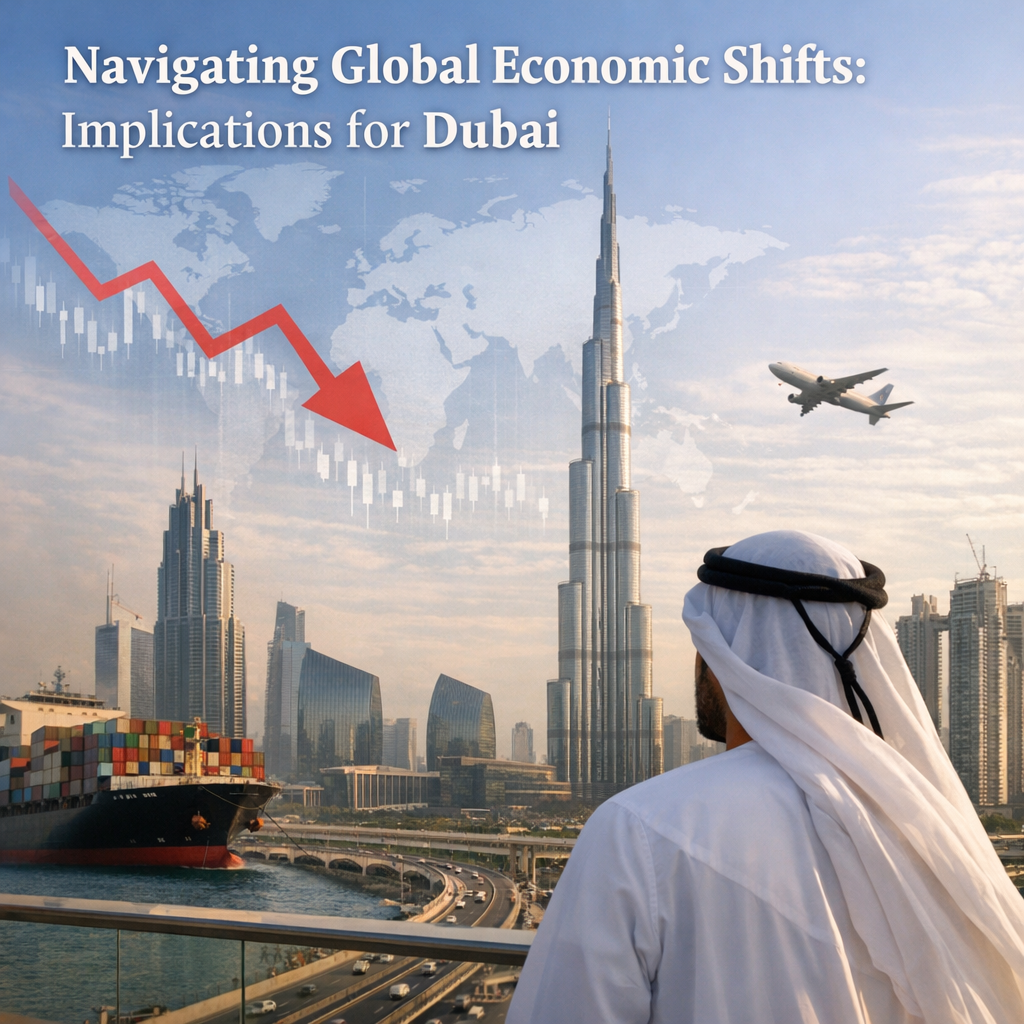
The global economy is currently navigating a complex landscape marked by geopolitical tensions, energy market volatility, and technological advancements. These factors collectively influence economic growth, inflation rates, and trade dynamics worldwide.
Global Economic Outlook
Recent reports from leading economic institutions provide a nuanced view of the global economic trajectory. The International Monetary Fund (IMF) projects a global growth rate of 3.1% in 2026, a slight decrease from previous forecasts. This adjustment is largely attributed to the ongoing conflict in the Middle East, which has disrupted energy markets and heightened inflationary pressures. The IMF emphasizes that the duration and scope of the conflict will significantly impact these projections. [Source: IMF World Economic Outlook, April 2026]
Similarly, the Organization for Economic Cooperation and Development (OECD) highlights that the Middle East conflict is testing the resilience of the global economy. The OECD projects global growth of 2.9% in 2026, with potential risks if energy prices remain elevated beyond mid-2026. [Source: OECD Interim Economic Outlook, March 2026]
Impact on Dubai’s Economy
Dubai’s strategic position as a global trade and financial hub makes it particularly sensitive to these global economic shifts. The city’s economy is closely tied to international trade, tourism, and investment flows, all of which can be influenced by global economic conditions.
Energy market volatility, especially fluctuations in oil prices, can have a cascading effect on regional economies. While Dubai has diversified its economy beyond oil, the broader Middle East’s economic health remains linked to energy markets. Prolonged disruptions could affect investor confidence and economic stability in the region.
On the technological front, the rapid advancement of artificial intelligence (AI) presents both opportunities and challenges. AI has the potential to enhance productivity and drive economic growth. However, its impact will depend on policies related to income redistribution and workforce adaptation. [Source: Le Monde, May 2026]
Strategic Considerations for Dubai
In light of these global developments, Dubai may consider several strategic approaches:
- Economic Diversification: Continuing to diversify the economy can reduce reliance on sectors vulnerable to global shocks, enhancing resilience.
- Investment in Technology: Embracing AI and other technological advancements can position Dubai as a leader in innovation, attracting investment and talent.
- Strengthening Trade Partnerships: Expanding and solidifying trade relationships can mitigate risks associated with geopolitical tensions and market volatility.
By proactively addressing these areas, Dubai can navigate the complexities of the current global economic environment and sustain its growth trajectory.